
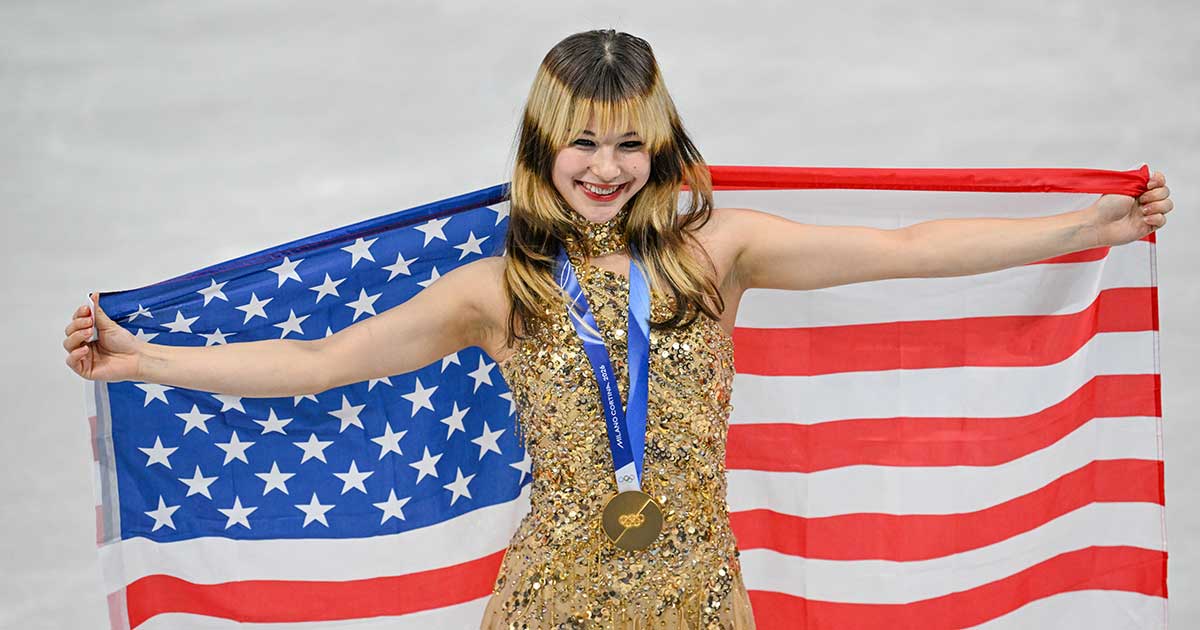
Last week, we witnessed one of the greatest redemption arcs in Olympic history. Alysa Liu ended a 24-year gold medal drought for US women’s figure skating, capturing Gold at the 2026 Milano Cortina Winter Olympics.
As a longtime bar exam tutor, I wasn’t just marveling at her joy-filled performance and flawless technique. I was thinking about the incredible, twisting, and often painful journey it took for her to get to that podium, and how closely it mirrors the struggles of the law students I coach every single day.
If you don’t know Alysa’s story: she was a child prodigy. She won her first U.S. National Championship at just 13 years old. But the crushing expectations of an entire nation, and a grueling training schedule, weighed heavily on her. She went to the 2022 Olympics, placed sixth, won a World bronze medal, and then… she quit. At 16 years old, completely burned out, she walked away from the sport to be a normal teenager.
Two years later, she returned. But this time, she did it on her own terms. She didn’t abide by someone else’s strict eating and training regime. She chose her own music, coaches, and training schedule. And she skated because of her love for the sport, not solely to win medals. One delightful byproduct of that choice? She executed a near-perfect free skate at the Olympics, inspired countless others with her joy and resilience under pressure, and claimed a Gold medal.
For those of you staring down the barrel of the bar exam, Alysa Liu’s career trajectory is a masterclass in mental health, strategy, and peak performance. Here are four key lessons you can learn from her journey.
1. Burnout is Real, And Rest is Key to Your Success
When Alysa Liu retired at 16, she was exhausted by the grind. Her identity was entirely consumed by skating. By stepping away, she allowed her mind and body to heal.
The Bar Exam Lesson: The biggest lie commercial bar prep courses sell you is the necessity of the “grind”—the idea that you must study 10 to 12 hours a day, seven days a week, until you drop. As the Yerkes-Dodson curve illustrates, stress and pressure only improve performance up to a certain point. Beyond that peak, anxiety and exhaustion cause your cognitive abilities to plummet.
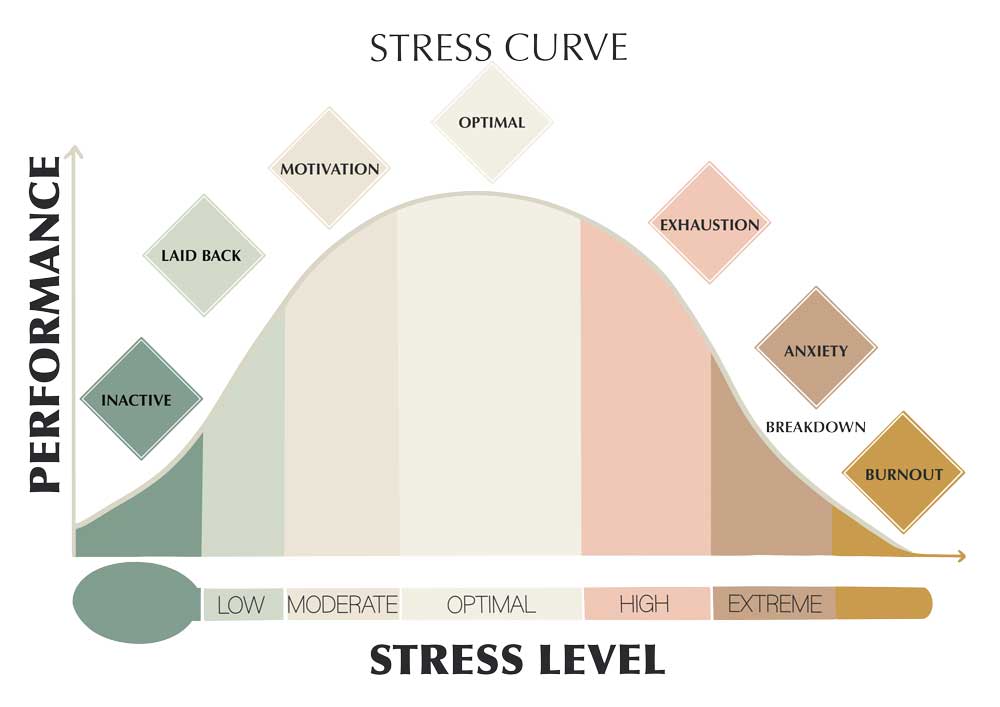
If you are staring at a page of property rules and nothing is absorbing, pushing through for another three hours is actively harming you. Taking a Sunday off to sleep, go for a hike, or see your friends is not slacking; it is strategic recovery. Your brain needs time to consolidate information. If you feel yourself breaking, step back. The law will still be there tomorrow.
2. Prepare on Your Own Terms
When Liu made her comeback, she refused to slot back into the rigid machine of elite figure skating. She took control. She picked her own coaches, chose her own music (skating to Donna Summer’s “MacArthur Park Suite”), and set her own boundaries. She wasn’t skating to fulfill a prophecy anymore; she was skating for herself.
The Bar Exam Lesson: From the moment bar prep begins, you will be bombarded with “metrics.” Your commercial course will flash a progress bar at you, warning you that you’re only 42% complete while your peers are at 50%. You will hear classmates bragging about completing 3,000 MBE practice questions.
Tune out the noise. You must study on your own terms. If a commercial course’s four-hour video lectures put you to sleep, stop watching them. If you learn best by handwriting rule statements or pacing around your living room reciting elements out loud, do that. You are a unique learner. Do not let a generic algorithm dictate your self-worth or your strategy. Own your prep.
3. Reconnect With Your “Why”
During her hiatus, Liu climbed to Mount Everest Base Camp, skied, and went to college. It was during a ski trip that she felt the adrenaline rush of jumping again. She realized she missed the ice. When she returned, joy fueled her.
The Bar Exam Lesson: Bar prep can be a dark, isolating tunnel. By week six, you will likely be questioning every life choice that led you to law school. When you hit that wall, you need an anchor.
Take a moment right now to write down your “why.” Are you taking this exam to provide a better life for your children? To fight for civil rights? To finally see your name on the door of your own firm? Whatever it is, keep it front and center. When the mechanical drudgery of memorizing the Rule Against Perpetuities threatens to break your spirit, your “why” is the anchor that can pull you through.
4. Walk Into the Arena With Unapologetic Confidence
When Alysa Liu finished her spectacular free skate in Milan, she knew she had nailed it. Before the scores even came up, she skated off the ice with a massive smile and was caught on a hot mic shouting, “That’s what I’m f***ing talking about!” It was a viral, iconic moment of pure release. It was the raw emotion of someone who knew she had put in the grueling work in the shadows and executed it flawlessly in the light.
The Bar Exam Lesson: You want to walk out of the exam room on day two with that exact feeling of release. You may not shout expletives in the testing center, but internally, channel that same energy. When you sit down at that desk, let your love for your “why” shine through, and draw on the deposits you’ve made in your confidence bank. You have done all you could to prepare for this day, and it is your time to shine.
Perhaps most importantly, the outcome of this one test will not make or break you. If you pass, you will be one big step closer to practicing your “why.” If you do not pass this time, you will have learned a lot along the way, and you will come back stronger and even more prepared the next time, just as Alysa did.
Alysa Liu proved to the world that you do not have to sacrifice your humanity, your joy, or your mental health to achieve greatness. In fact, protecting those things is exactly what enables peak performance.
The bar exam is not just a test of minimum competence; it is a test of psychological endurance. If you find yourself burning out, struggling to keep up with generic study schedules, or losing your confidence, you need a change in strategy.
My tutoring practice is built on the exact principles of Alysa’s comeback: highly individualized strategies, rigorous boundaries, and a focus on mental health, confidence, and legal mastery.
Ready to prepare like a resilient athlete? Contact me here to learn how my personalized bar prep programs can help you walk into the bar exam with the confidence and preparation you need to succeed.
Photo credit: Alysa LIUAsatur Yesayants by YantsImages is licensed under CC BY-NC-SA 2.0.