
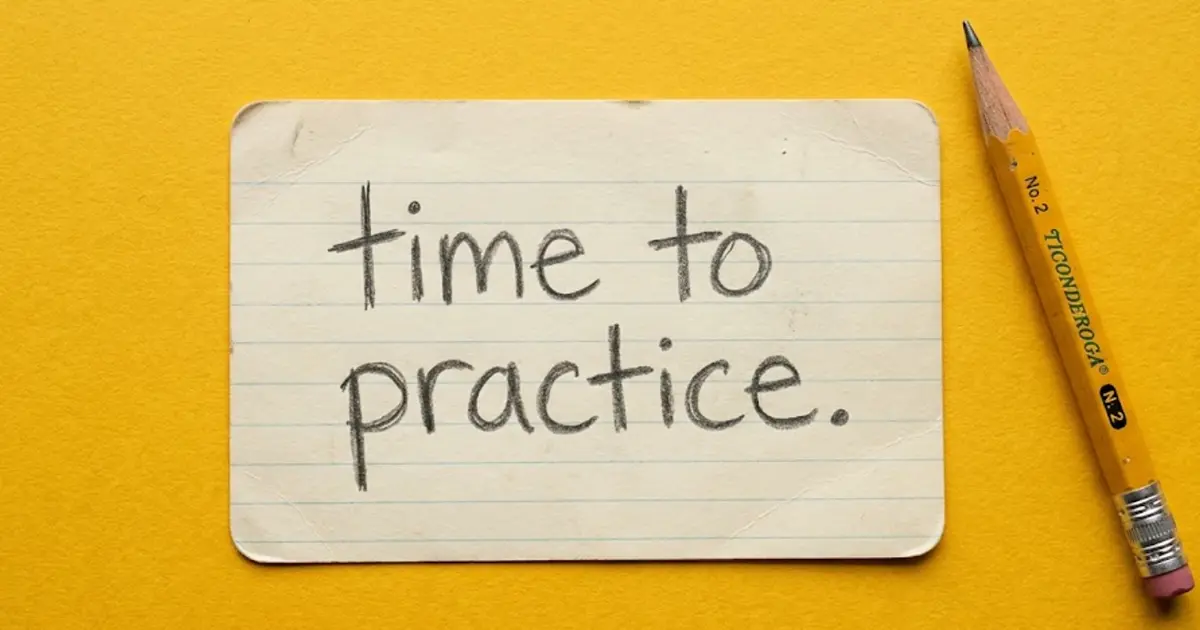
In my 20 years as a bar exam tutor, one of the most common mistakes I see students make is studying the law, while forgetting to practice applying it.
So many students spend weeks scouring outlines, watching hours of video lectures, and highlighting line after line of textbook rules. They expect to encounter that magical “aha!” moment when they know that they have perfectly memorized the law.
But that moment will likely never come. You can study the law endlessly; unless you have eidetic or photographic memory (which is extremely rare), you will likely never recall it all by heart. And if you spend all your prep time memorizing the law, you will have a tough time on the Bar itself, as part of the secret to passing is practicing how to actually answer the questions.
The biggest shift you can make in your bar prep is moving from passive studying to active application. Here is exactly when, and how, to make that leap.
Start Practicing Today
Law school conditions students to be passive consumers of information. You read, you highlight, you listen. Staring at an outline feels safe because an outline can’t tell you that you are wrong. A practice question, however, will give you immediate (and sometimes, difficult) feedback.
Passing the bar requires systematically breaking the law into separate elements. You cannot learn to do that just by reading. Students often ask me: “Steve, exactly what week of bar prep should I start doing practice questions?”
The answer is today. Active application forces your brain to categorize what you just read, and exposes gaps in your knowledge you probably weren’t even aware of (the “unknown unknowns”).
The Action Plan
Shifting to active practice requires a tactical approach across all three sections of the exam. Here is how we do it:
1. The MBE: Stop Grinding, Start Dissecting
When you shift to active MBE practice, the goal is not to see how many questions you can answer in a day. The goal is to figure out why you are getting them wrong.
- Do Smaller Sets: Instead of doing hundreds of questions and blindly checking your score at the end, do sets of 25, 30, or 50 MBEs.
- The “Drill Down” Method: For every question you get wrong (and even the ones you guessed right), meticulously drill down into the explanatory answer. Did you misread the facts? Did you fall for a distractor? Did you genuinely not know the rule? Did you second guess yourself or follow your gut? Understand the patterns for why you are choosing wrong answers.
2. The Essays: Practice the Mechanics First
You do not need to have the law perfectly memorized to start practicing essays. In fact, I encourage my students to focus on open book practice essays. Here’s what to do:
- Focus on Structure: The graders are looking for a highly mechanical pure IRAC (Issue, Rule, Analysis, Conclusion) approach. Use your early practice sessions to master this format.
- Drafting Over Outlining: While students think that outlining an essay is a good exercise, you must physically type out full answers. The mechanical act of typing out (1) the issue, (2) the rule, (3) the analysis and finally (4) the conclusion, builds the muscle memory you will rely on when exam day anxiety kicks in.
3. The Performance Test (PT): Your Application Playground
If there is one section of the exam that screams “active application,” it is the Performance Test. The PT is a completely “closed universe” where all the law and the facts are provided to you. There is zero memorization required.
- Start Early: Do not save the PTs for the last month of prep. After doing a decent amount of essay writing practice, integrate PTs into your weekly schedule.
- Execute the Instructions: Practice methodically following the Task Memo. It tells you the format, tone, and audience. Practicing how to precisely follow the instructions by aggressively applying the law to the facts is a skill that takes time to develop.
Getting It Wrong is Part of the Process
When you start practicing, you will get questions wrong. You will blank on an issue, or a sub-issue, in an essay. This is all but a certainty.
The difference between passing and failing is how you react to that inevitable stumble. Don’t retreat back to the safety of your outlines. Acknowledge the mistake, take a deep breath, and write what you think–what you think are the issues, what you think is the law, what you think is your analysis, what you think is your conclusion, etc. Every mistake you make and correct during prep is one you won’t make on test day.
You have worked so hard to get to where you are. Now you need the right strategy to apply your knowledge, and pass the Bar. If you’re ready to stop spinning your wheels with passive studying and want a personalized partner to help you navigate this exam, please feel free to contact me.
Together, let’s make this next bar exam your last!